Results
What did the AZTEC Trial find?
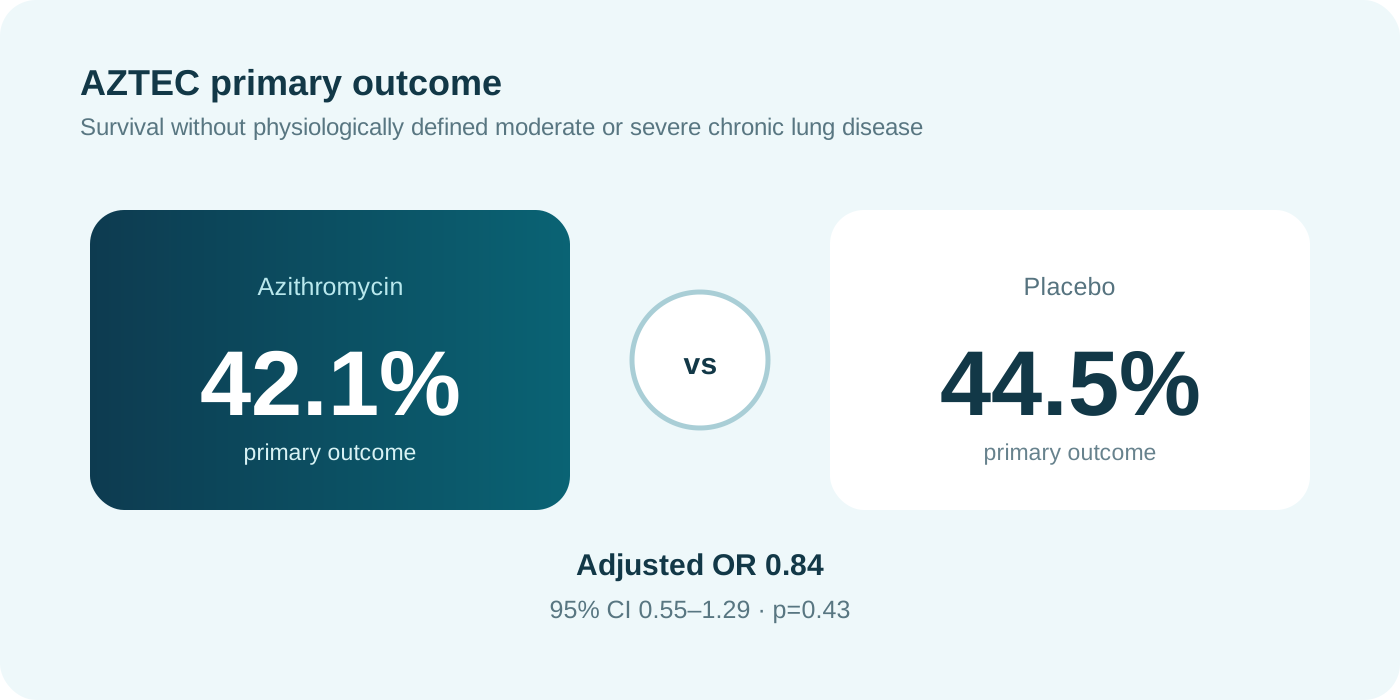
AZTEC asked whether giving azithromycin soon after birth could improve survival without chronic lung disease in babies born before 30 weeks’ gestation.
42.1% vs 44.5%
Adjusted OR 0.84 (95% CI 0.55–1.29), p=0.43.
What does this mean?
The trial does not support routine early prophylactic azithromycin for all infants born before 30 weeks’ gestation as a strategy to improve the primary clinical outcome. Importantly, the trial also generated detailed safety, microbiology and antimicrobial-resistance data that continue to inform neonatal practice and future research.
Clinical effectiveness
No statistically significant improvement was demonstrated in the primary outcome.
Safety
The main trial did not identify a signal that changed the overall conclusion about the safety of the regimen used in AZTEC.
Mechanistic evidence
Laboratory analyses provide additional information on airway inflammation, Ureaplasma, microbiology and antimicrobial resistance.
Why the AZTEC dataset remains important
A negative primary trial result can still substantially advance clinical science. AZTEC provides a large, deeply characterised neonatal cohort with linked treatment, clinical, laboratory, microbiological and follow-up data.
Antimicrobial resistance
Studies of gut and respiratory microbiota evaluate baseline macrolide resistance and the effects of azithromycin exposure.
Longer-term outcomes
Follow-up at one and two years, and subsequent work, examines whether neonatal exposure is associated with later respiratory, growth, developmental or safety outcomes.
Watch the findings explained visually
The animation summarises the trial question, intervention and principal result.
From the main RCT to the wider AZTEC programme
The main clinical trial was published in The Lancet Respiratory Medicine in 2024. The NIHR Health Technology Assessment report and subsequent microbiology and antimicrobial-resistance publications place the primary result in a broader evidence framework.